


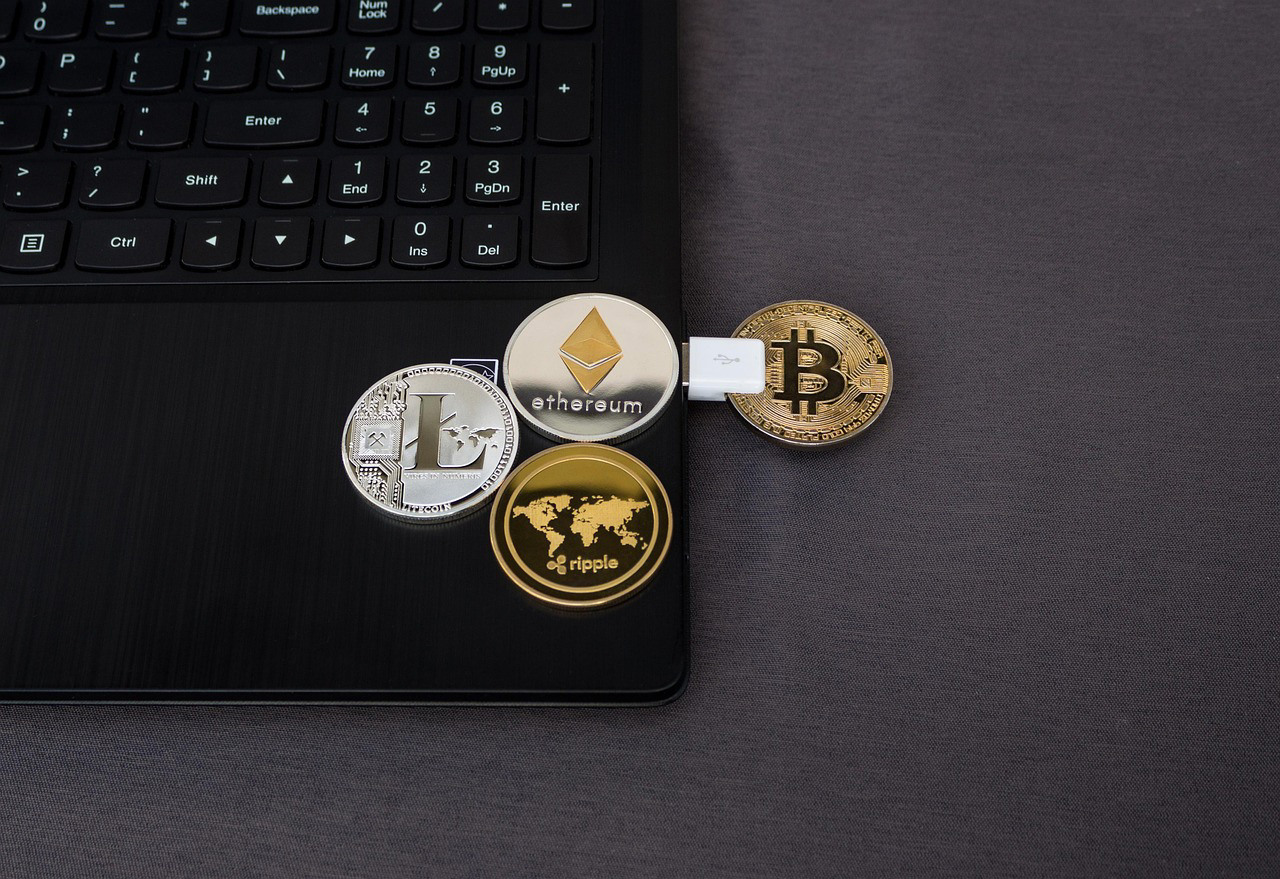
As cryptocurrency becomes a mainstream financial tool, one question remains critical for every user: Where should you store your digital assets? In 2025, the answer still comes down to two main options: cold wallets and hot wallets https://emcd.io/crypto-wallet/. Each has its own strengths and trade-offs in terms of security, convenience, and use case.
Choosing the right wallet can mean the difference between peace of mind and a devastating loss. Let’s break down the differences and help you decide which option is best for your needs.
What Are Hot Wallets?
Hot wallets are digital wallets connected to the internet. They include mobile apps, desktop software, and exchange-based accounts — ideal for frequent access and daily transactions.
Pros:
- Convenient: Always accessible via smartphone or computer
- Easy to use: Great for beginners
- Integrated with DeFi, NFTs, and exchanges
- Free to set up
Cons:
- Higher risk of hacking: Vulnerable to malware, phishing, and online attacks
- Dependent on third parties (if custodial, like exchange wallets)
- You may not control private keys
Best for: active traders, DeFi users, NFT collectors, and those making regular transactions.
What Are Cold Wallets?
Cold wallets are offline devices that store your crypto without internet access. They are also known as hardware wallets and offer the highest level of security.
Pros:
- Maximum security: Private keys never leave the device
- Immune to online hacks and viruses
- Full control over your assets
- Backup via seed phrase — works even if the device is lost
Cons:
- Cost: Typically $50–$150
- Less convenient: Requires physical connection for transactions
- Risk of loss or damage if seed phrase isn’t backed up properly
Best for: long-term investors, holders of large amounts, and security-focused users.
So, Which Should You Choose?
The answer isn’t “either/or” — it’s often both.
Use a hot wallet if:
- You trade or use DeFi regularly
- You’re just starting and want to experiment
- You only hold small amounts (under $500–$1,000)
- You value speed and accessibility
Try: Trust Wallet or MetaMask
Use a cold wallet if:
- You’re holding significant value long-term
- You want full control and maximum security
- You’re concerned about exchange risks or hacks
- You’re investing, not trading
Try: Ledger Nano X or Trezor Model T
The Smart Strategy: Use Both (2025 Best Practice)
Most experienced users follow a dual-wallet strategy:
- Hot wallet – For everyday spending, DeFi, NFTs, and small trades
- Cold wallet – For storing the majority of your crypto safely
This way, you enjoy both convenience and security.
Example:
- Keep $200 worth of USDT in MetaMask for daily use
- Store 1 BTC and 5 ETH in Ledger Nano X for long-term holding
Security Tips for Any Wallet
No matter which wallet you choose:
- Never share your seed phrase
- Write it down on paper — never store it digitally
- Buy hardware wallets only from official sites
- Double-check URLs to avoid phishing scams
- Enable 2FA where available
Final Verdict: What’s Best in 2025?
Hot wallets = speed. Cold wallets = safety.
If you’re new, start with a hot wallet to learn the basics.
As your portfolio grows, move your core holdings to a cold wallet.
In a world of rising cyber threats and exchange vulnerabilities, your private keys should be under your control — not a company’s.
Remember:
“Not your keys, not your crypto.”
Choose wisely. Stay safe. And make 2025 the year you take full ownership of your digital wealth.
