


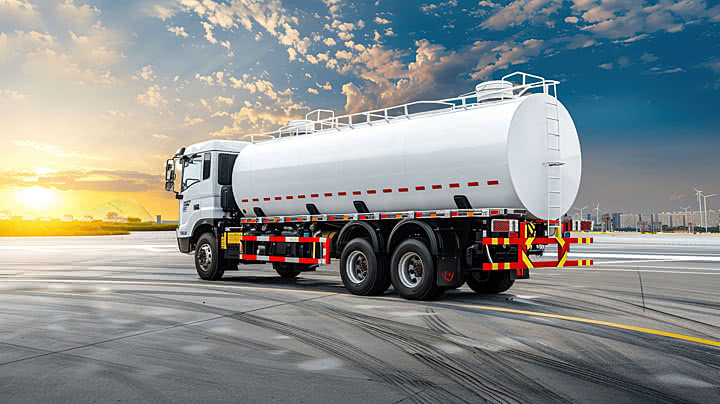
Transporting food products safely is a critical aspect of the modern supply chain. Food grade tanker trucking companies play a pivotal role in ensuring that liquid and bulk food items such as milk, oils, syrups, and beverages reach their destination without contamination or spoilage. Compliance with food safety regulations is not just a legal requirement—it is essential for protecting public health and maintaining consumer trust. Ensuring compliance with food safety regulations through tanker trucking involves a combination of proper vehicle maintenance, stringent sanitation practices, and adherence to industry standards that guarantee the integrity of transported products.
The Importance of Food Safety in Tanker Trucking
Food safety regulations exist to prevent contamination, spoilage, and the spread of foodborne illnesses. Liquid and bulk food products are particularly vulnerable during transportation because they can be affected by temperature fluctuations, unsanitary containers, and improper handling. Food grade tanker trucking companies are responsible for maintaining a controlled environment that preserves the quality and safety of these products throughout the supply chain.
Tanker trucks must meet strict hygiene standards to ensure that they do not introduce bacteria, chemicals, or foreign materials into food products. These trucks are designed with stainless steel or other food-safe materials that are resistant to corrosion and easy to clean. Ensuring that every tanker is properly sanitized before and after each load is a critical component of regulatory compliance. By adhering to rigorous cleaning and inspection protocols, trucking companies help prevent contamination and uphold food safety standards from origin to destination.
Sanitation and Cleaning Protocols
One of the primary responsibilities of food grade tanker trucking companies is to implement thorough sanitation and cleaning protocols. Each tanker must be cleaned according to strict guidelines that often include multiple washing cycles, high-pressure cleaning, and sanitization using approved agents. The cleaning process must remove all residues from previous loads to prevent cross-contamination.
In addition to regular cleaning, companies maintain detailed records of sanitation procedures, including the dates and methods of cleaning, to demonstrate compliance during audits and inspections. Automated cleaning systems are increasingly used to ensure consistent results and reduce human error. These systems control temperature, water pressure, and cleaning agent concentration, guaranteeing that every tanker is thoroughly sanitized.
Regular inspection of tankers before loading is another critical step. Food grade tanker trucking companies check for physical damage, leaks, and residues that could compromise food safety. Hoses, valves, and other contact points are carefully examined and maintained to ensure that every aspect of the tanker meets regulatory requirements.
Temperature Control and Monitoring
Certain food products, such as dairy, juices, and liquid eggs, require temperature-controlled transportation to remain safe and maintain quality. Food grade tanker trucking companies invest in refrigerated or insulated tankers equipped with precise temperature monitoring systems. These systems continuously track internal conditions and alert operators to deviations that could compromise product safety.
Compliance with food safety regulations includes maintaining temperature logs for every shipment. These records provide evidence that products were transported within the safe temperature range, which is essential for both regulatory inspections and customer assurance. Advanced telematics and remote monitoring technologies allow real-time tracking of temperature and environmental conditions, enabling rapid responses if issues arise. By maintaining strict temperature control, tanker trucking companies minimize spoilage risks and ensure that perishable products arrive fresh and safe.
Training and Certification of Personnel
Even with the most advanced equipment, compliance depends on trained personnel. Drivers, loaders, and sanitation staff must be educated on food safety principles, hygiene practices, and proper handling procedures. Food grade tanker trucking companies provide ongoing training and certification programs to ensure that all employees understand their responsibilities in maintaining product safety.
Staff training covers areas such as personal hygiene, cleaning protocols, temperature management, and documentation practices. Employees are also taught to identify potential hazards and respond appropriately to prevent contamination. Regular audits and performance evaluations help reinforce these practices, ensuring that compliance is maintained consistently across all operations.
Regulatory Standards and Compliance
Food grade tanker trucking companies operate under a framework of local, national, and international regulations designed to ensure the safe transport of food products. In Canada, for example, trucking companies must comply with the Safe Food for Canadians Regulations (SFCR), which cover transportation, sanitation, and traceability requirements. Other jurisdictions may require adherence to Hazard Analysis Critical Control Point (HACCP) standards or Good Manufacturing Practices (GMP) for transportation.
Compliance includes documentation of every stage of the supply chain. Load manifests, cleaning records, temperature logs, and delivery confirmations serve as proof that food products were handled in accordance with safety regulations. Audits by regulatory authorities or customers ensure that companies adhere to these standards consistently. Food grade tanker trucking companies that demonstrate compliance through documentation, training, and inspection processes reinforce their reputation as trusted partners in the food industry.
Risk Management and Contingency Planning
Even with rigorous sanitation and monitoring, unexpected issues can occur during transportation. Food grade tanker trucking companies develop contingency plans to address risks such as equipment failure, temperature fluctuations, or accidental contamination. These plans outline immediate steps for mitigating potential hazards, notifying stakeholders, and preventing compromised products from reaching consumers.
Preventive maintenance is another essential aspect of risk management. Regular inspection and servicing of tankers, refrigeration units, and other equipment minimize the likelihood of failures that could jeopardize food safety. By combining preventive measures with contingency planning, tanker trucking companies can respond efficiently to challenges, ensuring that food products remain safe throughout transit.
Building Trust and Customer Confidence
Ensuring compliance with food safety regulations is not just about meeting legal requirements—it is also essential for building trust with clients and consumers. Food grade tanker trucking companies that maintain strict hygiene standards, accurate records, and reliable transport systems provide their customers with confidence that their products are safe and uncontaminated.
Transparency is key. Many companies offer clients access to real-time tracking, cleaning reports, and temperature logs, allowing them to verify that food products are handled responsibly. This level of accountability strengthens relationships with manufacturers, distributors, and retailers, establishing a reputation for reliability and professionalism in the industry.
Embracing Technology for Compliance
Modern food grade tanker trucking companies leverage technology to enhance compliance with food safety regulations. From automated cleaning systems to telematics and temperature monitoring, technology ensures precision and consistency throughout the supply chain.
Digital documentation and reporting reduce errors associated with manual record-keeping, making it easier to demonstrate compliance during inspections. Predictive maintenance systems identify potential equipment issues before they affect product safety, while GPS and tracking software optimize delivery routes and timing, minimizing the risk of spoilage. By embracing technological solutions, tanker trucking companies improve operational efficiency while maintaining the highest standards of food safety.
